THE ENTRY POINT

Photo becomes analysis in seconds.

You take a picture of your plate as it is on the table. Vivi identifies what's there and how much of each item, and responds in the same conversation with calories, protein, carbs, and fat.

No more made-up numbers: if Vivi can't recognize it, she'll ask instead of guessing.
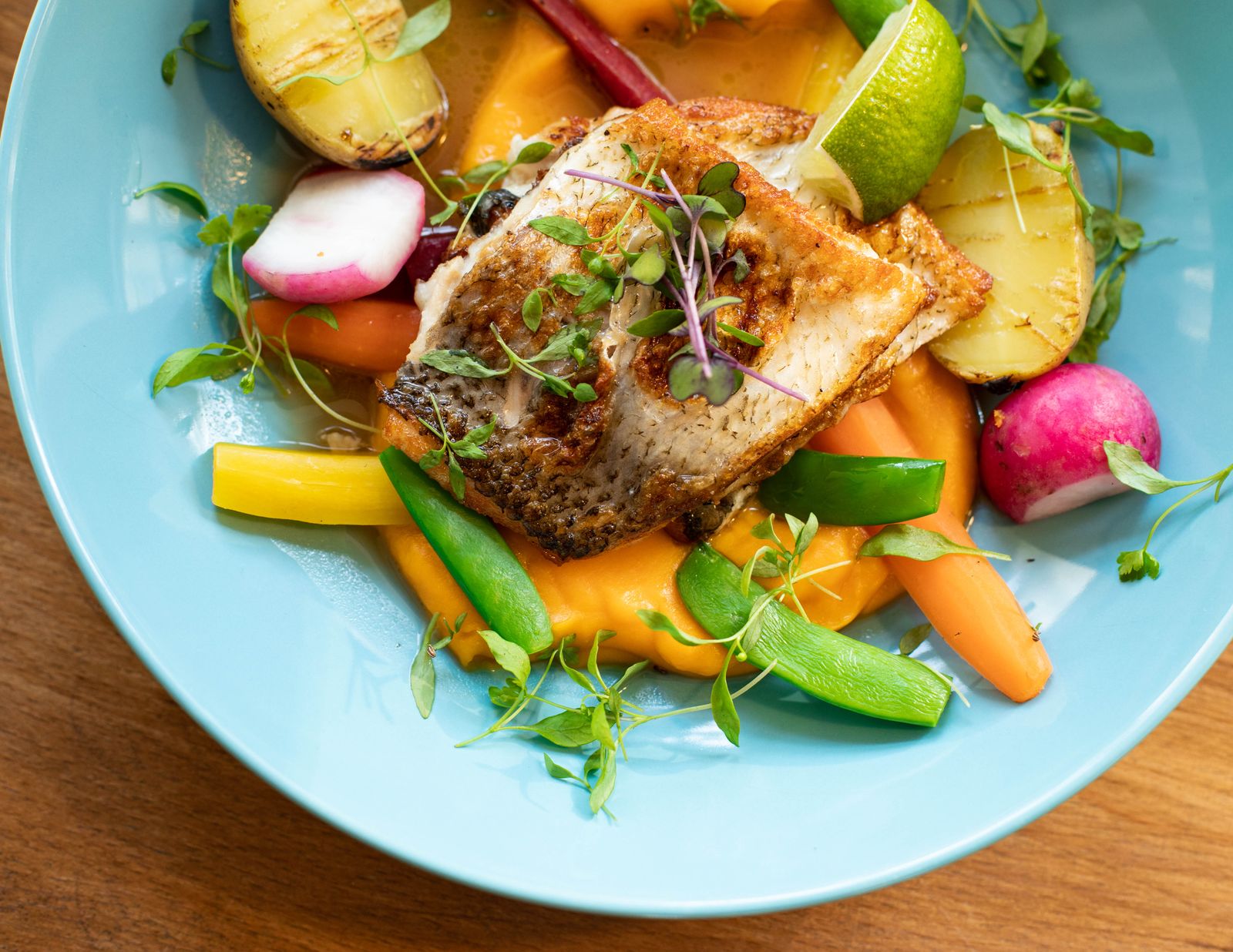
A colorful plate with grilled fish and vegetables

Reads the whole plate at once

Dinner on a plate, a meal-prep box, whatever you ordered on Friday night. You photograph what is in front of you instead of hunting for every item in a list.

Numbers from the database, not guesswork

The AI only identifies what is on the plate. Calories and macros come from published food composition tables, and packaged food is read from its barcode. When Vivi does not recognize an item, she says so instead of inventing a number.

Estimation treated as estimation

Photo analysis can be inaccurate, and anyone who tells you otherwise is selling you smoke. Vivi shows you how much confidence it has in each reading and gets back on track with you in the following messages.

Small choices. Big difference.

Start today through the browser or the app. The first photo shows you what it’s like to have Vivi by your side.

Test with a photo

Common questions

How many photos can I send per day?
Every meal of the day fits in the plan. There is a daily cap per account, set high enough that normal eating never reaches it, and it exists to stop automated use.
Where do the calories come from?
The AI looks at the photo and says what is on the plate and how much each item weighs. Calories and macros come after that, from the food database, calculated in code. The model never makes the number up. Because weight is estimated from an image, the result is an estimate, and the screen says so plainly.
Does the app know the food I actually eat?
The database combines USDA food composition data with Open Food Facts, which covers packaged products in most countries by barcode. A chicken burrito, a bacon sandwich, or a supermarket ready meal comes in at its measured value rather than a rough stand-in.
What about packaged food?
You scan the barcode with the camera. The values come from the label registered in Open Food Facts, without spending an AI analysis.
What if the AI gets the plate wrong?
You fix it on the spot: swap the food, adjust the portion, or delete what was never there. The correction counts toward your day, and it is also what measures recognition quality over time.
Vivania: meal analysis by photo